
How to Transport an E-bike?
E-bicycles have always been a popular choice for people in Europe and the United States. Due to its environmental protection and convenience, whether you ride an electric bicycle to work, take a walk in the park after dinner, or want to take it on an outdoor adventure, it is a very good choice.
Today, we will talk about how to transport the e-bikes, because transporting an e-bike is not as simple as transporting a regular bike. The additional weight of the motor and battery, coupled with the complexity of the electronic components, makes it essential to handle your e-bike with extra care. Improper securement may cause e-bike damage and lead to expensive repair costs.
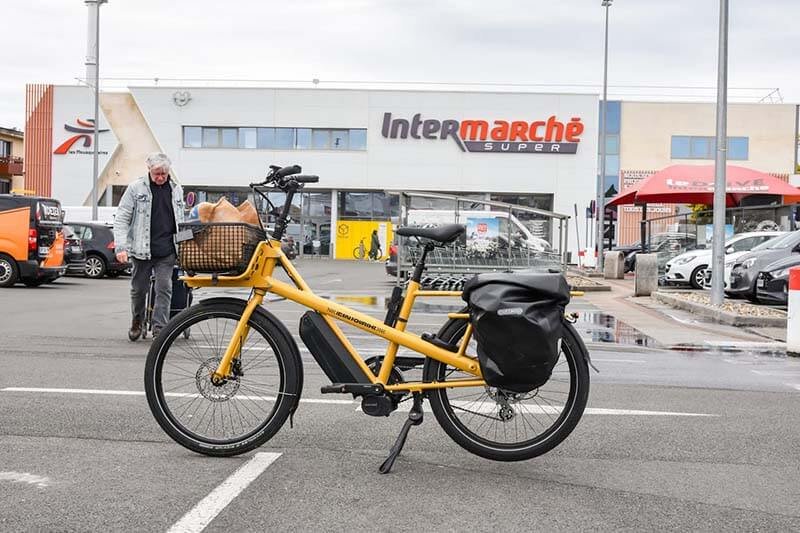
Understanding the Basics of E-Bikes for Transportation
Before we talk about how to transport an e-bike, we should understand its basic differences compared to a traditional bike.
Weight and Size
Due to the e-bike having a motor, battery, and other electronic components, it is heavier and bulkier than a traditional bicycle. Generally, a traditional bicycle weighs about 20-30 pounds, but the weight of an e-bike is around 40 to 70 pounds or more, depending on the bike model. The design of the ebike needs to support the weight of the added items, so the size and structure of the ebike should be bigger than a normal bike. All these factors make the transport electric bike a challenging task.
Battery Care
The battery is one of the key components of the e bike, and you need to pay special attention while transporting. We suggest that you remove the battery from the bike, especially if you need to transport the e bike for a long distance. This will reduce the weight of the e bike and reduce the risk of damage to the battery. If you take out the battery from the electric bike, you’d better store it in a secure container that can protect it from being impacted and exposure to extreme temperatures. If you cannot remove the battery, make sure the battery is securely fastened.
Methods of Transporting E Bikes
There are 4 main methods to transport the e bikes, let’s take a brief look.
Car Roof Racks
- The Choice of Roof Racks Suitable for E-Bikes: When you are going to transport an e bike, you need to choose the roof rack that can handle the weight of the e-bike. These roof racks are generally reinforced and equipped with sturdy clamps to secure the bike’s frame. Some models also offer lift assist to help you load the bikes onto the roof.
- Tips for Safely Mounting an E-Bike on a Roof Rack: First, remove the battery and other detachable parts to reduce the weight of the bike. Use a ladder or something that can help you gain the height to lift the bike onto the rack. Evenly distribute the bike and fix it on the rack, making sure the bike will not shift during transportation. Finally, during transportation, pay attention to the height limits on the road to avoid damaging the bike.
Hitch-Mounted Bike Racks
- Advantages of Using Hitch-Mounted Racks for Heavier E-Bikes: Hitch-Mounted bike racks are the first choice for transporting the e bike, since they can be attached to the trailer and provide a lower mounting point, which is better than the roof rack while loading and unloading the bike.
- Best Practices for Securing E-Bikes on These Racks: First, position the bike on the rack’s platform, and make sure the wheels sit securely in the trays. Use the clamps on the racks to secure the bike frame, You need to pay attention to the pressure applied to the bike in order to avoid damaging the bike components. In addition, you can also consider using e bike tie down straps for added security.
Inside the Vehicle
- Steps for Transporting an E-Bike Inside a Car or Van: In case of bad weather, choosing to transport e bike in your vehicle is a good option, but you need to fold down the rear seats or empty your trunk. To avoid scratches, it is better to lay down blankets or pads and carefully lift your e bike into your vehicle, secure it, and make sure it won’t move during transit.
- Precautions to Prevent Damage to the Bike and Vehicle Interior: To avoid any damage, use a pad to wrap around the bike’s delicate parts, such as the frame, pedals, and handlebars. Use straps to secure the bike in place to prevent shifting while driving.
Using a Trailer
- When and Why to use a Trailer: When you need to transport multiple e-bikes or the other method can not transport the e-bike, you need to consider using the trailer to transport your e-bike. If you have a ramp, you can easily load and unload the e bike.
- Tips for Securing E-Bikes on Trailers: Arrange the e-bikes on the trailer and make sure they are spaced out to prevent them from hitting each other. Use the correct bike tie down straps to secure the bike, attach them to the anchor points on the trailer. You should pay attention to the weight distribution on the trailer, since you are transporting multiple bikes.
Before transporting the e bike, fully consider which transportation method is suitable for your e bike, and then select the appropriate securing method to firmly fix it. This not only protects your electric bike but also ensures driving safety on the road.
You may also be interested in:

Dave Lee
Dave Lee has amassed over two decades of experience in the cargo control industry, serving as a product manager. Prior to joining Webslingness, he spent three years at a transportation company.


